Understanding Land Rover Paint Codes
Finding your Land Rover's exact paint code is essential when you need touch-up paint, want to repair scratches, or plan a custom paint job. Unlike some manufacturers that place paint codes in obvious locations, Land Rover has used several different positions throughout their model years, making it challenging for owners to locate this crucial information.
Your Land Rover paint code is typically a 2-4 character alphanumeric combination that corresponds to your vehicle's factory color. These codes ensure you get an exact color match when purchasing OEM touch-up paint or working with professional painters.
Primary Paint Code Locations by Model
Range Rover and Range Rover Sport (2005-Present)
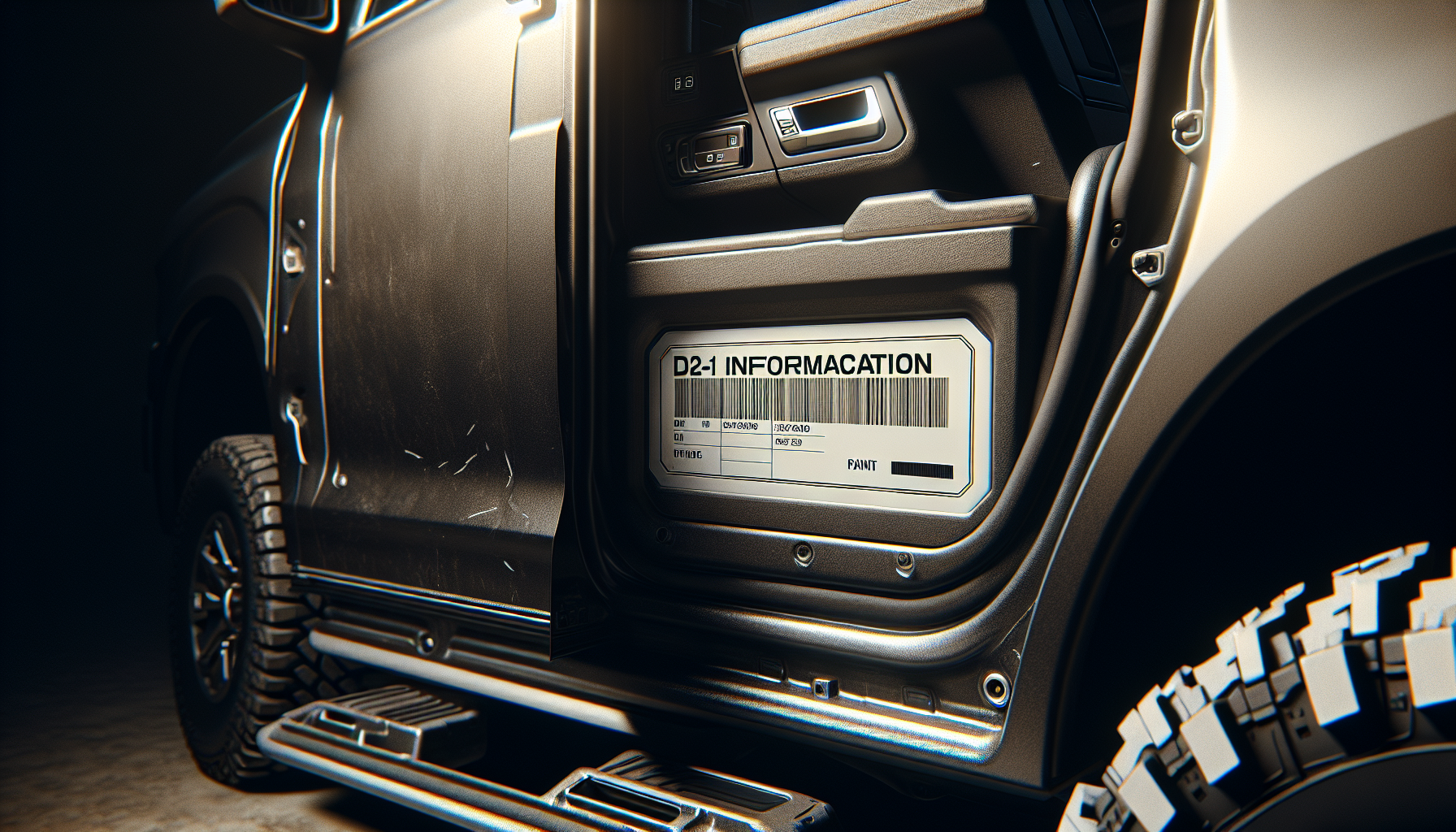
For most Range Rover models from 2005 onwards, you'll find the paint code sticker in the driver's side door jamb. Open the driver's door and look on the B-pillar or the door frame itself. The sticker is usually white or silver and contains various vehicle information including the paint code, which may be labeled as "Paint" or "Colour Code."
On newer Range Rover models (2013-present), Land Rover has also placed paint code information inside the engine bay. Check the area near the front suspension tower on the driver's side, where you might find a black and white barcode sticker containing the paint code.
Discovery and Discovery Sport (2004-Present)
Discovery models typically have their paint codes located in one of two places. First, check the driver's side door jamb area, similar to Range Rover models. If you don't find it there, look under the hood near the brake fluid reservoir or on the radiator support panel.
For Discovery Sport models introduced in 2015, the paint code is most commonly found on a sticker inside the driver's door frame or on the central pillar when the door is open.
Defender Models (1990-2016, 2020-Present)
Classic Defender models often have paint codes in less conventional locations. Check the engine bay first, particularly on the firewall or near the battery area. Some Defender models have the paint code on a metal plate riveted to the firewall or chassis.
The new Defender (2020-present) follows modern Land Rover conventions with paint codes typically located in the driver's door jamb area or under the hood near the front strut towers.
Alternative Paint Code Locations
Spare Tire Area and Boot
If you can't locate the paint code in the primary areas, check your spare tire well. Many Land Rover models have a duplicate sticker placed in the boot area, either on the floor panel near the spare tire or on the side panels of the cargo area.
Glove Box and Service Book
Some Land Rover models include paint code information in the owner's manual or service book stored in the glove box. While not always present, this can be helpful when exterior stickers have been damaged or removed.
Reading Your Land Rover Paint Code
Land Rover paint codes can appear in various formats. Common examples include single letters like "B" for Bali Blue, two-letter combinations like "LR" for Loire Blue, or alphanumeric codes like "863" for Samoa Silver. The code is usually preceded by text like "Paint," "Colour," or "EXT" on the information sticker.
When you locate your sticker, you'll also see other valuable information including your VIN, manufacturing date, and various option codes. Take a photo of the entire sticker for your records, as this information can be helpful for future maintenance and parts ordering.
Professional Tips for Paint Code Success
Before starting your search, ensure you have adequate lighting and clean the areas where stickers are typically located. Years of dirt and grime can make paint code stickers difficult to read. Use a flashlight and gently clean the area with a damp cloth if necessary.
If your paint code sticker is damaged or missing, contact your local Land Rover dealer with your VIN number. They can access their paint code database to provide you with the correct color information. Additionally, some automotive paint suppliers maintain comprehensive databases that can help identify your color based on your vehicle's year, model, and VIN.
Remember that paint can fade over time due to sun exposure and environmental factors. Even with the correct paint code, you might need to have your color professionally matched for the best results, especially on older vehicles.