Understanding Fiat Paint Codes
Finding the correct paint code on your Fiat is essential when you need to touch up scratches, repaint panels, or match your vehicle's exact color. Fiat paint codes are typically three-digit alphanumeric combinations that correspond to specific factory colors. These codes ensure you get the perfect color match for your vehicle, whether you're dealing with a classic Fiat 500 or a modern Ducato.
Primary Paint Code Locations on Fiat Vehicles
Door Frame and Jamb Areas
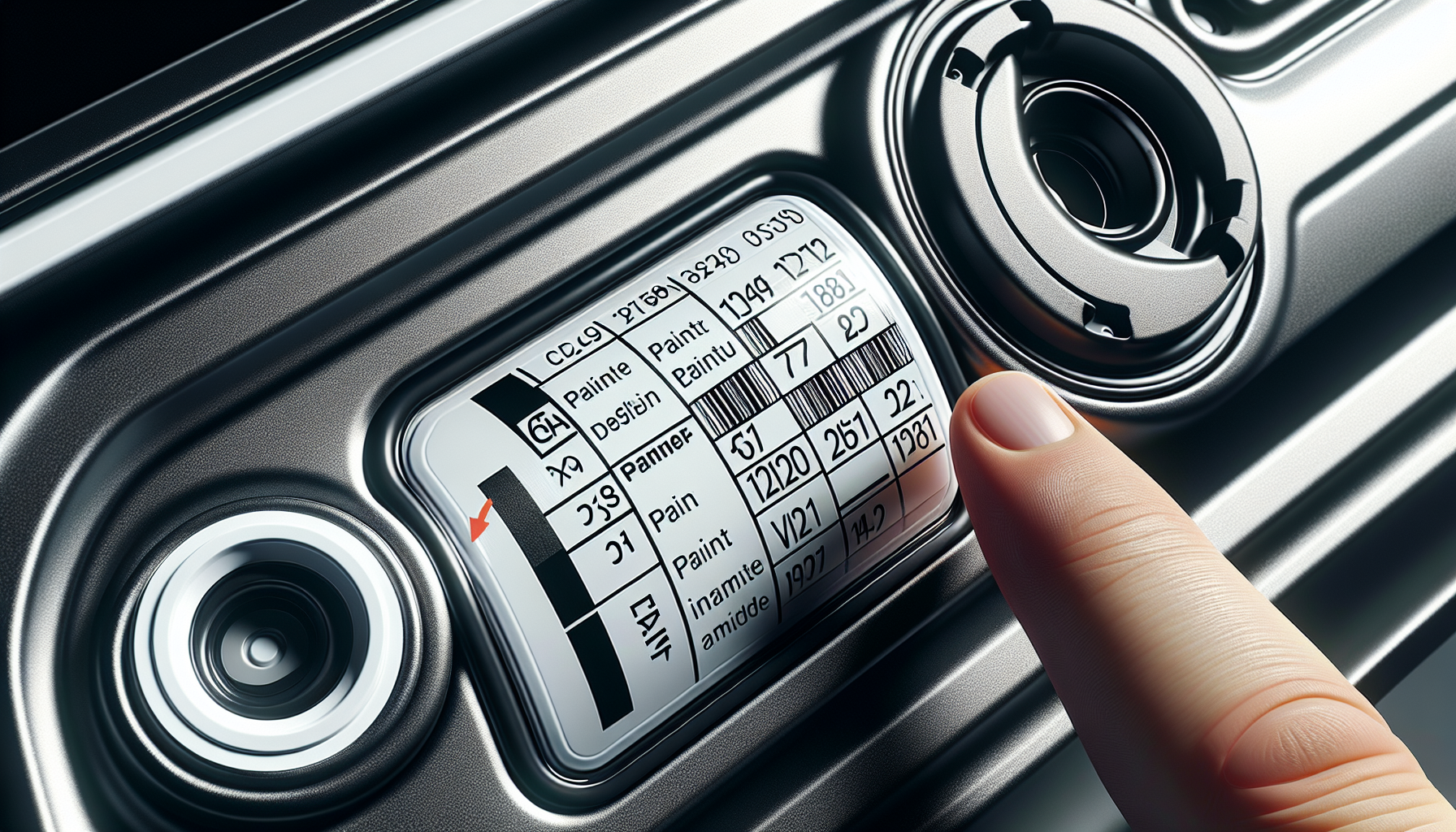
The most common location for Fiat paint codes is on a white sticker or metal plate in the driver's side door jamb. Open your driver's door and look along the door frame where the door closes against the body. The paint code is usually listed alongside other vehicle information like the VIN number, manufacturing date, and weight specifications. On models like the Fiat 500 (2007-present) and Fiat Punto (1999-2018), this sticker is typically positioned on the B-pillar area.
Engine Bay Locations
Many Fiat models also display the paint code on a label inside the engine compartment. Pop the hood and check the following areas:
- On the radiator support panel near the front of the engine bay
- Along the passenger side strut tower
- On the firewall behind the engine
- Near the battery compartment on the driver's side
The Fiat Panda (2003-2012) commonly has its paint code sticker mounted on the passenger side of the engine bay, while the Fiat Doblo (2001-2009) typically displays it near the radiator support.
Model-Specific Paint Code Locations
Fiat 500 Series (2007-Present)
For the popular Fiat 500, including the 500X and 500L variants, the paint code is almost always located on the driver's side door jamb. The white rectangular sticker contains multiple lines of information, with the paint code typically appearing as a three-character combination like "685" for Rosso Passione Red or "735" for Nero Vesuvio Black.
Fiat Ducato and Commercial Vehicles
Commercial Fiat vehicles like the Ducato (2006-present) often have their paint codes in slightly different locations due to their utilitarian design. Check the driver's door frame first, but also examine the passenger side door jamb and the area behind the driver's seat where additional vehicle information plates are mounted.
Classic Fiat Models
Older Fiat models from the 1990s and early 2000s, including the Bravo, Marea, and earlier Punto generations, may have paint codes on metal plates riveted to the engine bay or door frames. These plates can sometimes be painted over or corroded, making them harder to read.
Reading and Interpreting Fiat Paint Codes
Fiat paint codes typically appear as three-character combinations that may include numbers and letters. Common examples include:
- "020" - Bianco Gelato (white)
- "735" - Nero Vesuvio (black)
- "685" - Rosso Passione (red)
- "295" - Grigio Moda (gray)
The paint code is usually preceded by text like "PAINT" or "COL" and may be followed by the color name in Italian. When consulting a paint code database, always verify that the code matches your vehicle's model year and specific trim level.
Alternative Methods When Stickers Are Missing
VIN Number Decoding
If the paint code sticker is missing or unreadable, your vehicle's VIN number can help determine the original paint color. The VIN is located on the dashboard near the windshield on the driver's side and in the driver's door jamb. Contact a Fiat dealer or use an online VIN decoder to retrieve paint information.
Dealer and Professional Assistance
Fiat dealerships can look up your vehicle's paint code using the VIN number or other identifying information. This service is particularly valuable for older vehicles where stickers may have deteriorated. Professional auto paint shops also have spectrophotometers that can analyze your car's existing paint to create a custom color match.
When ordering touch-up paint or preparing for bodywork, always double-check your paint code against your vehicle's actual color in natural daylight. Some Fiat models may have had multiple color options with similar codes, and ensuring accuracy will save time and money in your restoration project.