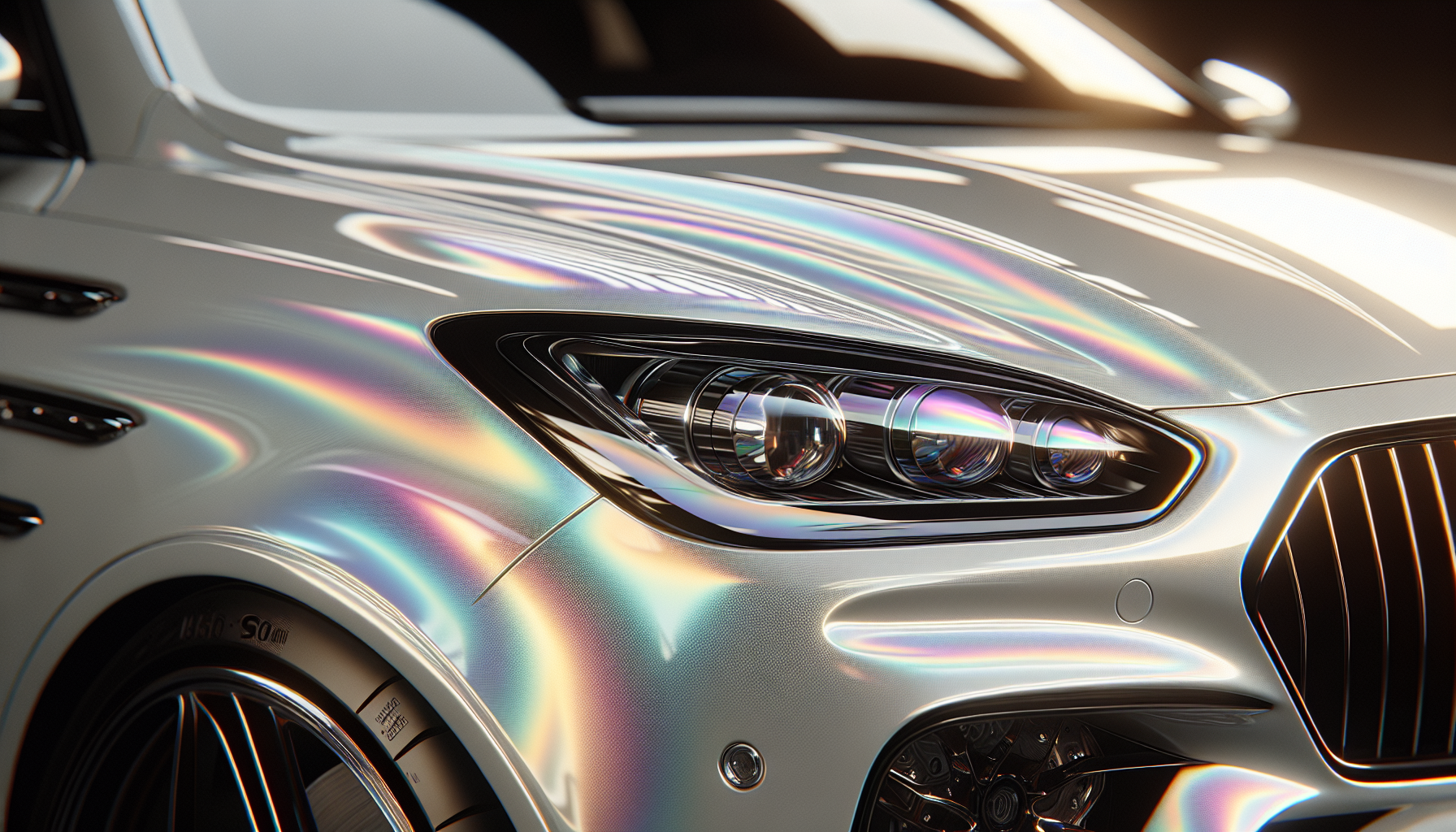
Understanding Pearl Car Paint
Pearl car paint, also known as pearlescent paint, creates a stunning visual effect that shifts color and intensity as light hits it from different angles. This sophisticated finish contains tiny mica particles or synthetic pearl flakes that reflect and refract light, producing an iridescent shimmer that sets it apart from standard automotive paints.
Popular examples include Honda's Taffeta White and Championship White, Toyota's Super White II, and Subaru's Crystal White Pearl. These finishes appear to change from bright white to subtle cream or silver tones depending on viewing angle and lighting conditions.
How Pearl Paint Differs from Other Paint Types
Pearl vs. Metallic Paint
While both pearl and metallic paints contain reflective particles, they create distinctly different effects. Metallic paint uses aluminum flakes that provide a consistent sparkle and subtle color variation. Pearl paint, however, uses mica particles or pearl essence that creates dramatic color shifts and depth.
For example, a metallic silver Ford Mustang maintains its silver appearance with added sparkle, while a pearl white Acura TLX can appear white, cream, or even slightly pink depending on the light.
Pearl vs. Solid Paint
Solid paint contains no reflective particles and appears flat and uniform in all lighting conditions. Pearl paint's multi-dimensional appearance makes vehicles look more premium and eye-catching. However, solid paints like basic black or white are significantly easier and cheaper to repair.
Advantages of Pearl Paint Finishes
Enhanced Visual Appeal: Pearl paint creates stunning depth and richness that makes vehicles stand out. Colors like Mazda's Soul Red Crystal Metallic or BMW's Storm Bay appear to glow in sunlight.
Premium Appearance: Most luxury manufacturers offer pearl options as standard or premium upgrades. Mercedes-Benz, Lexus, and Audi frequently use pearl whites and blacks on their flagship models.
Better Resale Value: Vehicles with pearl paint often retain higher resale values due to their premium appearance and desirability among buyers.
UV Protection: The multiple paint layers in pearl finishes can provide better protection against UV damage compared to single-stage paints.
Disadvantages and Considerations
Higher Cost: Pearl paint typically costs $500-2000 more than solid paint options when ordering new vehicles. This premium pricing reflects the complex application process and expensive materials.
Repair Complexity: Touching up pearl paint requires precise color matching and multiple steps. Professional repairs often cost 20-40% more than solid paint repairs.
Color Matching Challenges: Finding exact color matches can be difficult, especially for older vehicles. Paint fades differently on pearl finishes, making seamless repairs more challenging.
Maintenance Requirements: Pearl finishes show dirt, water spots, and scratches more readily than darker solid colors, requiring more frequent washing and care.
Pearl Paint Touch-Up Tips
Professional vs. DIY Repairs
For anything larger than minor chips, professional repair is strongly recommended. Pearl paint requires specific application techniques, including proper primer, base coat, pearl layer, and clear coat application in controlled environments.
DIY Touch-Up Guidelines
For small chips, start by locating your vehicle's exact paint code using a paint code database or checking the manufacturer's label in the door jamb. Common locations include the driver's side door frame, glove box, or under the hood.
Purchase OEM touch-up paint that includes the pearl component – aftermarket alternatives rarely match properly. Clean the area thoroughly, apply primer if needed, then apply thin layers of base coat followed by the pearl layer, allowing proper drying time between coats.
Application Best Practices
Work in shade and avoid windy conditions. Apply pearl layers in light, even coats to prevent blotchiness. The pearl effect develops gradually, so multiple thin coats produce better results than fewer thick applications. Finish with clear coat for protection and gloss matching.
Caring for Pearl Paint
Regular maintenance preserves pearl paint's distinctive appearance. Wash weekly using the two-bucket method with high-quality car soap. Avoid automatic car washes with brushes that can create micro-scratches visible in pearl finishes.
Apply quality car wax or paint sealant every 3-4 months to protect the clear coat and maintain the pearl's brilliance. Clay bar treatment annually removes embedded contaminants that can dull the finish.
Park in shade when possible, as prolonged UV exposure can cause pearl particles to fade unevenly, creating patchy appearance over time. Address chips and scratches promptly to prevent rust and maintain the finish's integrity.