Understanding Metallic Car Paint
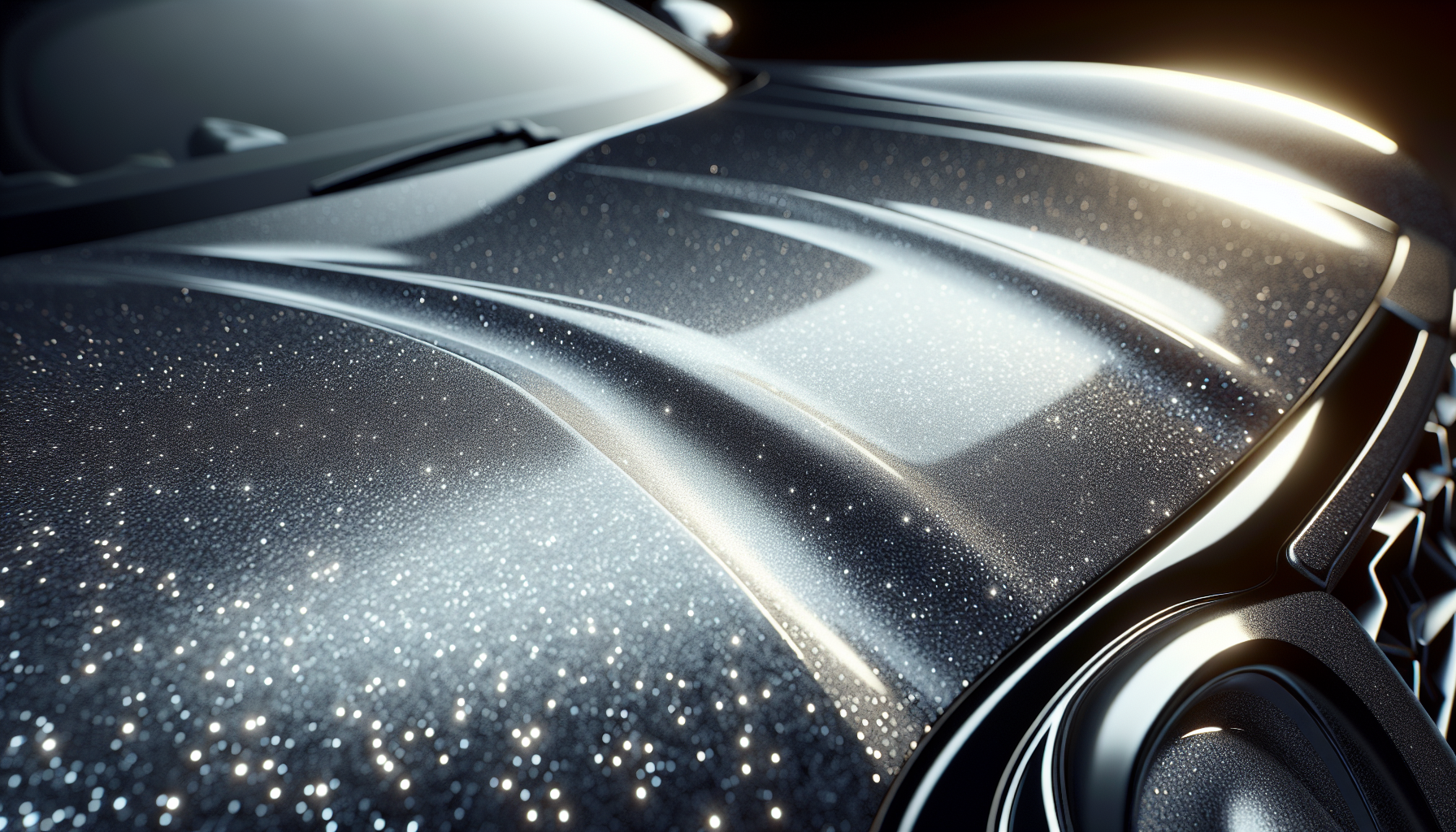
Metallic car paint is a premium automotive finish that contains tiny metallic particles, typically aluminum flakes, suspended within the paint base. These microscopic metal particles create the distinctive sparkling effect that makes metallic finishes so popular among car enthusiasts. When light hits the surface, it reflects off these particles at different angles, producing depth and shimmer that changes as you view the vehicle from various positions.
The metallic effect is achieved through a multi-layer painting process. First, a base coat containing the metallic particles is applied, followed by a clear protective topcoat that enhances the shine and protects the underlying layers from environmental damage.
How Metallic Paint Differs From Other Types
Metallic vs. Solid Paint
Solid paint, also called single-stage paint, consists of pigment and resin without metallic particles. Popular solid colors include classic red, white, and black finishes. While solid paint provides consistent color appearance from all viewing angles, it lacks the depth and visual interest of metallic finishes. Solid paint is typically less expensive and easier to touch up but may appear flat in certain lighting conditions.
Metallic vs. Pearl Paint
Pearl paint uses mica particles instead of metal flakes, creating a more subtle, iridescent effect. Pearl finishes often shift between colors depending on lighting and viewing angle, such as Toyota's Super White II, which appears white with subtle blue undertones. Metallic paint maintains its base color while adding sparkle, whereas pearl paint can dramatically change appearance under different lighting conditions.
Advantages of Metallic Paint Finishes
Metallic paint offers several compelling benefits that justify its premium price point. The most obvious advantage is the enhanced visual appeal – metallic finishes create depth and dimension that make vehicles stand out. Popular metallic colors like BMW's Space Gray or Ford's Magnetic Gray demonstrate how metallic particles can transform an ordinary color into something sophisticated.
Another significant benefit is improved resale value. Vehicles with metallic paint typically command higher prices in the used car market compared to identical models with solid paint. The finish also tends to hide minor scratches and swirl marks better than solid paint, as the metallic particles help diffuse light and mask imperfections.
Metallic paint provides better UV protection than single-stage solid paint due to its multi-layer construction. The clear coat layer acts as a barrier against sun damage, helping maintain color vibrancy over time.
Disadvantages and Considerations
The primary drawback of metallic paint is cost. Metallic finishes typically add $500 to $1,500 to a vehicle's purchase price, depending on the manufacturer and color complexity. Maintenance costs are also higher, as proper care requires quality products and techniques to preserve the finish's appearance.
Touch-ups present another challenge with metallic paint. Achieving a perfect color match requires precise application technique and proper paint mixing. Even small touch-up jobs may be visible due to the difficulty of matching the metallic particle distribution and orientation.
Metallic finishes are more susceptible to showing water spots, fingerprints, and minor scratches compared to solid paint. They require regular washing and waxing to maintain their optimal appearance.
Professional Touch-Up Tips
When touching up metallic paint, preparation is crucial for achieving acceptable results. Start by identifying your vehicle's exact paint code, which can typically be found on a sticker in the door jamb or glove compartment. Using a comprehensive paint code database ensures you obtain the correct color formulation with matching metallic content.
Clean the damaged area thoroughly with automotive soap and allow it to dry completely. For small chips, use a fine brush or touch-up pen, applying thin layers rather than attempting to fill the damage in one application. Allow each layer to dry completely before applying the next.
The key to successful metallic touch-ups is duplicating the original spray pattern. Professional-grade aerosol touch-up paints work better than brush applications for larger areas, as they help distribute metallic particles more evenly. Practice on a hidden area first to perfect your technique.
After the base coat cures, apply clear coat to match the surrounding finish's gloss level. Wet sanding with fine-grit paper (2000-3000 grit) followed by polishing compound can help blend the repair area with the original paint.