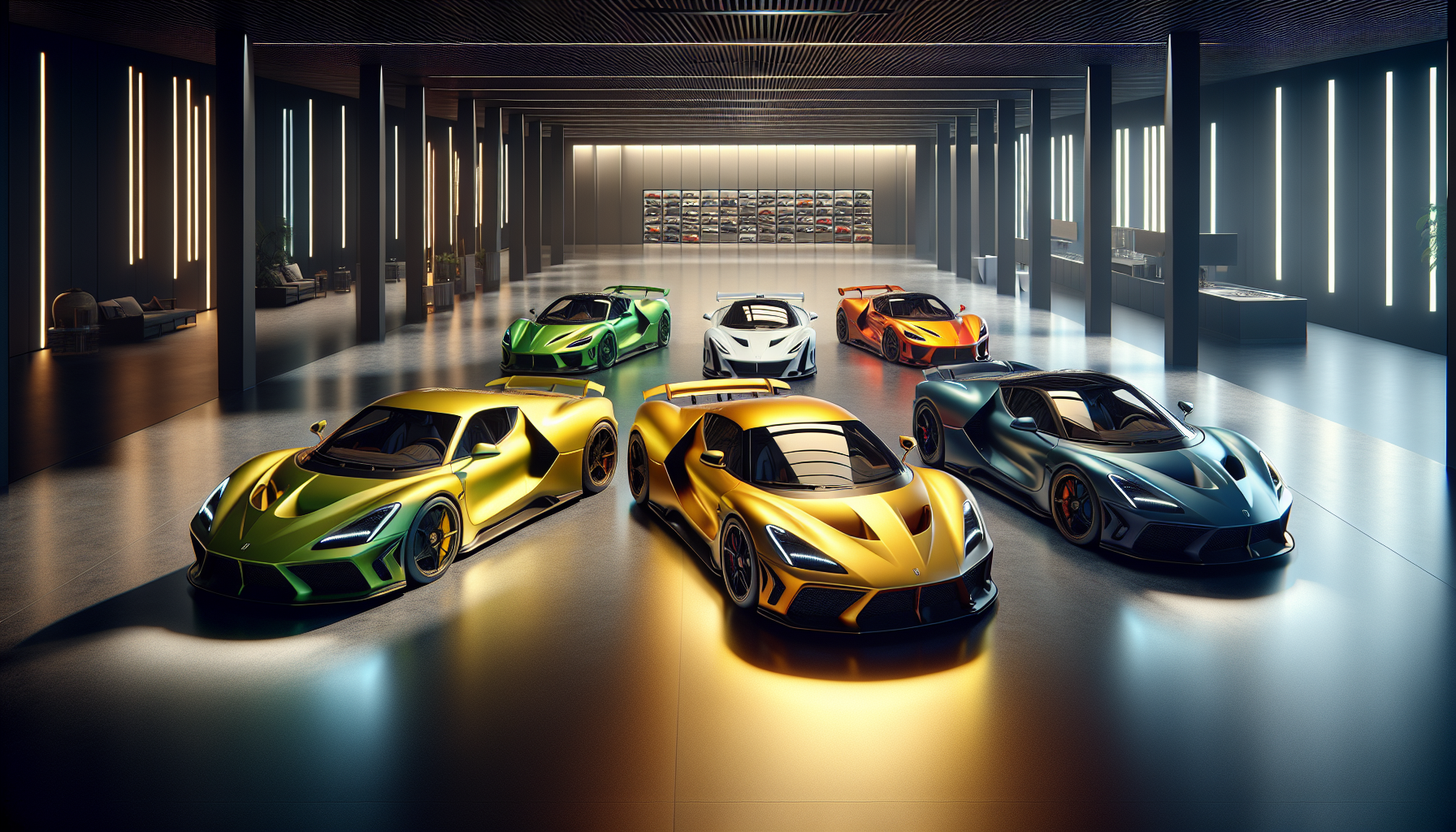
The Evolution of Lamborghini's Iconic Color Palette
Since 1963, Lamborghini has captivated automotive enthusiasts not only with their engineering prowess but also with their bold, unmistakable paint colors. These distinctive hues have become synonymous with the brand's rebellious spirit and exotic appeal, making certain shades instantly recognizable on roads worldwide.
Understanding these popular paint options is crucial whether you're considering a purchase, planning a restoration, or simply appreciating automotive aesthetics. Each color tells a story about Lamborghini's design evolution and cultural impact.
The Yellow Legacy: Giallo Colors
Giallo Orion and Giallo Midas
Yellow remains Lamborghini's most iconic color family, with Giallo Orion leading the charge as the brand's signature shade. This vibrant, slightly orange-tinted yellow first appeared in the 1970s and became the default color for promotional materials and media appearances.
Giallo Midas, introduced in the 2000s, offers a deeper, more metallic interpretation of the classic yellow theme. This color gained massive popularity on the Gallardo and later the Huracán, providing owners with a sophisticated yet unmistakably Lamborghini presence.
Modern Yellow Variants
Recent additions include Giallo Inti and Giallo Taurus, each offering unique undertones while maintaining the brand's yellow heritage. These colors typically command strong resale values due to their association with Lamborghini's brand identity.
Verde: The Green Revolution
Verde Mantis and Verde Ithaca
Green has experienced a remarkable resurgence in Lamborghini's palette. Verde Mantis, a striking lime green, became synonymous with the Aventador SVJ and represents modern Lamborghini's bold approach to color. This shade perfectly complements the angular, aggressive styling of contemporary models.
Verde Ithaca offers a more subdued, forest green alternative that appeals to owners seeking distinction without maximum attention. This color works exceptionally well on the Urus SUV, providing an elegant yet sporty appearance.
The Drama of Orange: Arancio Shades
Arancio Borealis and Arancio Argos represent Lamborghini's mastery of orange tones. These colors gained significant popularity during the Gallardo era and continue to be highly sought after on models like the Huracán Performante.
Orange Lamborghinis often photograph beautifully and stand out dramatically in any setting. When researching these specific shades, consulting a comprehensive paint code database can help verify authenticity and assist with touch-up work or complete repaints.
Classic and Contemporary Blues
Blu Cepheus and Blu Le Mans
Blu Cepheus represents Lamborghini's sophisticated approach to blue, offering depth and richness that changes dramatically under different lighting conditions. This color gained prominence on limited edition models and special variants.
Blu Le Mans pays homage to racing heritage while providing a more accessible blue option for everyday supercars. Both shades demonstrate how Lamborghini successfully expanded beyond their traditional color comfort zone.
Timeless Black and White Options
Nero Aldebaran remains the most popular black option, providing a sinister, stealthy appearance that emphasizes Lamborghini's aggressive styling cues. This color choice often appeals to owners who prefer understated luxury.
Bianco Icarus and Bianco Monocerus offer pristine white finishes that showcase body lines and aerodynamic details with stunning clarity. White Lamborghinis have gained popularity in recent years, particularly in regions with intense sunlight.
Factors Affecting Color Choice and Value
When selecting a Lamborghini color, consider both personal preference and practical implications. Bright colors like yellow and orange typically maintain stronger resale values due to brand association, while unique or limited-edition colors may appreciate over time.
Maintenance requirements vary significantly between colors. Light shades show dirt and scratches more easily, while dark colors require more frequent washing to maintain their dramatic appearance. Metallic and pearl finishes generally require professional paint correction services more often than solid colors.
Regional preferences also influence popularity, with certain markets gravitating toward specific color families. European buyers often prefer subtle grays and blues, while North American customers frequently choose bolder yellows and oranges.